35+ LGBTQ+ Awareness Days in 2026 You Need To Know About
| Updated on

This article offers a thorough, all-inclusive list of every notable LGBTQ+ pride and awareness day throughout 2026. Arranged in chronological order by month, each entry includes a brief description outlining the importance of that particular LGBTQ+ Awareness Day.
Save this page to keep yourself informed throughout the entire year of 2026!
LGBTQ+ awareness days play a vital role in bringing attention to the struggles and challenges faced by the LGBT community. Included in this roundup are a wide range of visibility days, awareness weeks, pride celebrations, and memorial observances.
Article continues below
The Complete LGBTQ+ Calendar 2026
February 2026
- All month February 2026: LGBT+ History Month 2026 (UK) [Jump to details below]
- 13 Feb – 1 March 2026: Sydney Gay and Lesbian Mardi Gras 2026 [Jump to details below]
- 15–21 February 2026: Aromantic Spectrum Awareness Week 2026 [Jump to details below]
March 2026
- 1 March 2026: Zero Discrimination Day 2026 [Jump to details below]
- 21 March 2026: Omnisexual Awareness Day 2026 [Jump to details below]
- 31 March 2026: International Transgender Day of Visibility 2026 [Jump to details below]
April 2026
- 6 April 2026: International Asexuality Day 2026 [Jump to details below]
- 10 April 2026: Day of Silence (US) 2026 [Jump to details below]
- 26 April 2026: International Lesbian Visibility Day 2026 [Jump to details below]
- 20–26 April 2026: Lesbian Visibility Week 2026 [Jump to details below]
Article continues below
May 2026
- 4–10 May 2026: Trans+ History Week [Jump to details below]
- 17 May 2026: International Day Against Homophobia, Transphobia and Biphobia (IDAHOTB) 2026 [Jump to details below]
- 19 May 2026: Agender Pride Day 2026 [Jump to details below]
- 24 May 2026: Pansexual Visibility Day 2026 [Jump to details below]
June 2026
- All month June 2026: Pride Month 2026 [Jump to details below]
- 28 June 2026: Stonewall Riots Anniversary 2026 [Jump to details below]
July 2026
- 6 July 2026: Omnisexual Visibility Day 2026 [Jump to details below]
- 13–19 July 2026: Non-Binary Awareness Week 2026 [Jump to details below]
- 14 July 2026: Non-Binary People’s Day 2026 [Jump to details below]
- 16 July 2026: International Drag Day 2026 [Jump to details below]
Article continues below
August 2026
- 28 August 2026: Wear It Purple Day 2026 (Australia) [Jump to details below]
September 2026
- 16–23 September 2026: Bisexual Awareness Week 2026 [Jump to details below]
- 23 September 2026: Bisexual Visibility Day 2026 [Jump to details below]
October 2026
- All month October 2026: LGBT History Month 2026 (United States) [Jump to details below]
- 8 October 2026: International Lesbian Day 2026 [Jump to details below]
- 11 October 2026: National Coming Out Day 2026 [Jump to details below]
- 21 October 2026: International Pronouns Day 2026 [Jump to details below]
- 25–31 October 2026: Asexual Awareness Week (Ace Week) 2026 [Jump to details below]
- 26 October 2026: Intersex Awareness Day 2026 [Jump to details below]
Article continues below
November 2026
- All month November 2026: Transgender Awareness Month 2026 [Jump to details below]
- 1 November 2026: Transgender Parent Day 2026 [Jump to details below]
- 8 November 2026: Intersex Day of Remembrance 2026 [Jump to details below]
- 13–19 November 2026: Transgender Awareness Week 2026 [Jump to details below]
- 20 November 2026: Transgender Day of Remembrance 2026 [Jump to details below]
December 2026
- 1 December 2026: World AIDS Day 2026 [Jump to details below]
- 8 December 2026: Pansexual Pride Day 2026 [Jump to details below]
- 10 December 2026: Human Rights Day 2026 [Jump to details below]
List of All LGBTQ+ Awareness Periods 2026 With Detailed Explanation for Each Period
February
All month: LGBT+ History Month 2026 (UK)
LGBT+ History Month takes place each February in the United Kingdom, honouring the hardships endured and milestones achieved by lesbian, gay, bisexual, and transgender individuals. Running since 2005, the month-long observance is coordinated by the charity Schools Out UK.
The United Kingdom's LGBT+ History Month was first held in February 2005. February was chosen as the designated month to mark the partial decriminalisation of male homosexuality in England and Wales, which took place in 1967.
13 Feb – 1 March: Sydney Gay and Lesbian Mardi Gras 2026
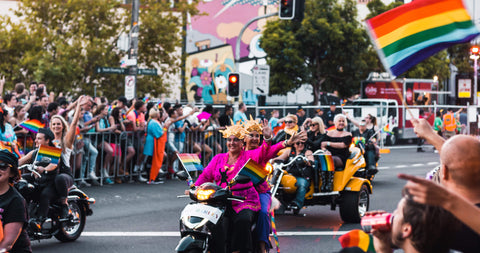
The Sydney Gay and Lesbian Mardi Gras is a beloved annual event based in Sydney, Australia. It stands as a large-scale celebration of the Lesbian, Gay, Bisexual, and Transgender, and Queer (LGBTQ) community, culminating in a spectacular parade and festival held in late February or early March each year. The event draws thousands of participants and spectators from all corners of Australia and beyond.
In 2026, the Sydney Gay and Lesbian Mardi Gras is set to run from 13 February through to 1 March 2026, with the iconic Mardi Gras Parade taking place on Saturday, 28 February 2026.
Article continues below
15–21 February: Aromantic Spectrum Awareness Week 2026
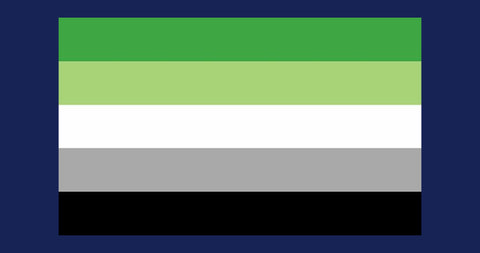
Aromantic Spectrum Awareness Week is an annual observance held each February, dedicated to celebrating and increasing awareness of aromanticism — a romantic orientation characterised by little to no interest in romantic relationships. Throughout the week, individuals of all gender identities, orientations, and backgrounds unite to honour aromantic identities and broaden understanding of the aromantic spectrum.
First established in 2014, Aromantic Spectrum Awareness Week was founded with the goal of championing aromantic identities, while fostering greater visibility and understanding of aromanticism within the wider LGBTQ+ community.
March
1 March: Zero Discrimination Day 2026
Zero Discrimination Day is an internationally recognised event observed on March 1 each year, dedicated to championing diversity and inclusivity while raising awareness of the urgent need to eliminate discrimination in all its forms. The day forms part of a worldwide campaign striving toward a more fair and just world for everyone.
Zero Discrimination Day was first observed in 2014, following the United Nations General Assembly's official declaration of March 1 as the designated date. The day was founded to promote equality and shine a light on the importance of upholding the principle of zero discrimination — rooted in the belief that every person deserves to be treated with equal respect and dignity, regardless of race, gender, age, sexual orientation, or any other characteristic.
21 March: Omnisexual Awareness Day 2026
Omnisexual Awareness Day is an annual observance that takes place each year on 21 March. Established to recognise and celebrate individuals who identify as omnisexual, the day serves as an opportunity for people to learn about and share information surrounding the rich diversity of gender identities, sexual orientations, and expressions.
Article continues below
31 March: International Transgender Day of Visibility 2026
Transgender Day of Visibility is an annual global observance held on March 31, dedicated to honouring the achievements and contributions of transgender and gender non-conforming individuals. The day also serves as an opportunity to acknowledge the broad spectrum of transgender identities and show solidarity with the transgender community.
First held in 2009, Transgender Day of Visibility was established as a means of celebrating transgender people's accomplishments while drawing attention to the discrimination they continue to face. The day was founded by transgender activist Rachel Crandall, motivated by the absence of meaningful visibility for transgender individuals, as well as the ongoing violence and discrimination directed toward them.
April
6 April: International Asexuality Day 2026
International Asexuality Day is an annual observance held on April 6, dedicated to recognising and celebrating asexuality and the broader asexual community. The day aims to foster awareness and understanding of the full asexual spectrum — encompassing asexual, demisexual, or gray asexual identities — while honouring the diversity of sexual and romantic orientations. It also serves as a moment to acknowledge the contributions and varied experiences of asexual individuals.
International Asexuality Day was first celebrated in 2021, with participation from asexuality organisations spanning at least 26 countries.
10 April: Day of Silence (US) 2026
The Day of Silence is an annual observance, typically held in April, that acts as a day of protest in solidarity with the LGBTQ+ community. In 2026, the National Day of Silence falls on Friday, 10 April. On this day, people across the world take a vow of silence to draw attention to the struggles faced by LGBTQ+ individuals, particularly the silencing and erasure of LGBTQ+ students within school environments.
The Day of Silence traces its roots back to 1996, when a group of 150 students at a single institution in the United States — the University of Virginia — came together in protest against the bullying, harassment, and silencing experienced by lesbian, gay, bisexual, and transgender (LGBT) students.
Article continues below
26 April: International Lesbian Visibility Day 2026
International Lesbian Visibility Day is an annual observance held on 26 April, dedicated to recognising and celebrating the contributions of lesbian women across the globe. First established in 2008, the day was created to shine a light on the issues faced by lesbians and to empower them to live openly and authentically, with support from a wide range of organisations and individuals worldwide.
Since its inception in 2008, International Lesbian Visibility Day has worked to bring attention to the unique challenges and triumphs of lesbian women in their ongoing pursuit of equality. The day also holds an important role in fostering a safe and welcoming space for lesbians and bisexual women to come together, celebrate their identities, and express themselves freely.
20–26 April: Lesbian Visibility Week 2026
Lesbian Visibility Week is an annual celebration honouring and recognising the contributions of lesbians women around the world. In 2026, the week runs from 20–26 April. Established to raise awareness of the challenges faced by lesbians, the week also aims to inspire and encourage lesbian women to live openly and authentically.
Lesbian Visibility Week was first observed in mid-July 1990, born out of frustration among lesbians over the comparatively greater visibility afforded to LGBT men over LGBT women. The founders sought to use the week as a platform to amplify awareness and bring greater recognition to lesbian experiences and identities.
May
4–10 May: Trans+ History Week 2026
Trans+ History Week was founded by QueerAF in 2024 to honour and celebrate the history of transgender, non-binary, gender-diverse, and intersex individuals through stories, events, and educational resources made available for people across the world.
This annual observance carries a powerful mission: to remind the world that trans+ and gender-diverse people have always been part of human history, to spotlight the struggles, victories, and landmark moments in queer and transgender history, and to ensure that the lessons drawn from our collective past are never erased, distorted, or forgotten.
17 May: International Day Against Homophobia, Transphobia and Biphobia (IDAHOTB) 2026
The International Day Against Homophobia, Transphobia and Biphobia (IDAHOTB), also referred to as IDAHOBIT, is an annual observance held on 17 May, dedicated to drawing attention to the discrimination and violence experienced by LGBT people across the world.
IDAHOTB was first conceived in 2004 as a grassroots initiative aimed at highlighting the discrimination faced by LGBT individuals globally. The event was officially first held in 2005, with 17 May chosen as the designated date to commemorate the World Health Organization's landmark decision in 1990 to remove homosexuality from its official classification of mental illnesses.
Article continues below
19 May: Agender Pride Day 2026
Agender Pride Day is an annual observance dedicated to celebrating individuals who identify as agender — those who do not identify with any gender, or who consider themselves to have no gender at all. The day stands as a celebration of the rich diversity of gender identities and serves as a reminder of the importance of building safe, inclusive spaces that welcome and affirm all genders.
First observed in 2017, Agender Pride Day was established as an opportunity for agender individuals to embrace and celebrate their identity, while also acknowledging the unique challenges they face in a world that has historically viewed gender through a strictly binary lens.
24 May: Pansexual Visibility Day 2026
Pansexual Visibility Day, also known as Pansexual Awareness Day, is an annual observance held in May dedicated to recognising, celebrating, and honouring the experiences of individuals who identify as pansexual. The day was established to affirm the existence of pansexual people across the globe and to raise awareness of pansexuality and the unique challenges faced by the pansexual community.
Founded in 2014 by a collective of pansexual individuals, activists, and allies, the day was created with the aim of bringing greater attention to the pansexual community and the issues they encounter. Since its inception, it has grown into a wider celebration of pansexual identity, serving as both an educational platform and an opportunity to uplift and empower pansexual individuals around the world.
June
All month: Pride Month 2026
Pride Month is a vibrant annual celebration of the LGBTQ+ community — encompassing lesbian, gay, bisexual, transgender, queer, and other identities — observed throughout the month of June each year. It is a time for LGBTQ+ individuals to come together, embrace and celebrate who they are, and continue the ongoing fight for equal rights.
June was originally selected as the designated month to commemorate the Stonewall Riots of 1969, which were ignited by a police raid on a gay bar in Greenwich Village, New York City. This defining moment in history is widely regarded as a turning point in the LGBTQ+ rights movement and is considered by many to mark the beginning of the organized struggle for equality.
28 June: Stonewall Riots Anniversary 2026
The Stonewall Riots Anniversary is an annual commemoration marking the historic 1969 Stonewall Riots that took place in Greenwich Village, New York City. Each year, the anniversary serves as both a celebration of how far the LGBT rights movement has come and a reminder of the courage and resilience of those who fought back against oppression.
The riots themselves were a series of intense and passionate demonstrations by members of the LGBT community, unfolding over several days between 28 June and 3 July 1969. They were triggered by a police raid on the Stonewall Inn, a gay bar in Greenwich Village that served as one of the few safe havens for LGBT individuals at a time when homosexuality was heavily criminalised and stigmatised. During the raid, officers subjected patrons to physical and verbal abuse, arresting numerous individuals simply for being who they were. The treatment of patrons that night proved to be a breaking point, and the backlash that followed erupted into a powerful and historic revolt.
The Stonewall Riots are today widely recognised as the catalyst for the modern LGBT rights movement, inspiring the formation of numerous LGBT advocacy organisations and laying the groundwork for the Pride celebrations that take place around the world every June.
Article continues below
July
6 July: Omnisexual Visibility Day 2026
Omnisexual Visibility Day is an annual observance held each year on 6 July, dedicated to recognising and celebrating individuals who identify as omnisexual. The day provides a meaningful opportunity for people to come together to learn about and share information surrounding the rich diversity of gender identities, sexual orientations, and expressions.
13–19 July: Non-Binary Awareness Week 2026
Non-Binary Awareness Week is an annual observance held each July, taking place during the week that surrounds Non-Binary People’s Day. The week is dedicated to raising awareness of and celebrating the wide spectrum of gender identities that exist outside of the traditional gender binary. It also serves as a time for the Non-Binary community to come together, share their personal experiences and stories, and create a platform for education, advocacy, and meaningful dialogue.
Non-Binary Awareness Week was first launched in 2020, conceived as a way to build upon and expand the existing observance of Non-Binary People's Day, which falls on 14 July and has been celebrated since 2012.
14 July: Non-Binary People’s Day 2026
Non-Binary People's Day is an annual celebration honouring and embracing the full spectrum of non-binary genders and identities. First observed on 14 July 2012, the day has been marked on the same date every year since, serving as both a celebration of non-binary existence and a platform for raising awareness of the distinct challenges that non-binary individuals navigate in their everyday lives.
The day gained broader recognition in 2015, and continues to be observed annually on 14 July, drawing increasing support and participation from communities and organisations around the world.
Article continues below
16 July: International Drag Day 2026
International Drag Day is an annual observance celebrated on 16 July, dedicated to honouring and celebrating the vibrant art of drag and the culture that surrounds it. The day was established to recognise and pay tribute to drag queens, drag kings, and all members of the LGBTQ+ community who have made meaningful contributions to the world of drag.
International Drag Day was founded in 2009 by Adam Stewart, who launched the initiative through a Facebook fan page dedicated to drag queens. The day was created with the core aim of providing drag artists with a platform to showcase their creativity and culture in a way that truly reflects the depth and richness of their art form.
August
28 August: Wear It Purple Day 2026 (Australia)
Wear It Purple Day is an annual observance held on the last Friday of August each year, falling on 28 August in 2026. The day is dedicated to celebrating diversity and showing solidarity with the LGBTQ+ community, with participants encouraged to don purple — one of the colours featured in the rainbow flag — as a visible symbol of their support.
Wear It Purple Day was founded in Australia in 2010 by two young people, Katherine Hudson and Scott Williams, who were driven by a desire to create a safe and visible space where LGBTQ+ youth could freely express themselves and feel genuinely accepted. The day was established in response to the tragic suicide of New Jersey teenager Tyler Clementi, serving as a powerful reminder of the very real consequences of discrimination, bullying, and the absence of safe and inclusive environments for LGBTQ+ young people.
September
16–23 September: Bisexual Awareness Week 2026
Bisexual Awareness Week is an annual observance held each September to celebrate and honour the bisexual community. In 2026, Bisexual Awareness Week runs from 16–23 September. Throughout the week, a variety of events and activities are organised to promote bisexual visibility, foster acceptance, and amplify bisexual voices and experiences.
Also commonly known as BiWeek, Bisexual Awareness Week was first celebrated in 2014 as an extension of the longer-standing Bisexual Visibility Day, which falls on 23 September and has been observed since 1999.
23 September: Bisexual Visibility Day 2026
Bisexual Visibility Day is an annual observance held on 23 September each year, dedicated to celebrating bisexuality and raising awareness of the bisexual community. The day serves as an opportunity to acknowledge the achievements and contributions of bisexual individuals and to bring greater visibility to bisexual identities and experiences.
First celebrated in 1999, Bisexual Visibility Day was established as a means of recognising and honouring bisexual people, bisexual history, and bisexual culture. The day was co-founded by three bisexual activists — Wendy Curry of Maine, Michael Page of Florida, and Gigi Raven Wilbur of Texas — whose collective efforts helped lay the foundation for the growing recognition of bisexuality within the broader LGBTQ+ community.
Article continues below
October
All month: LGBT History Month 2026 (United States)
LGBT History Month is an annual observance celebrated each October in the United States, dedicated to honouring the rich history and remarkable achievements of the LGBT community. First launched in 1994, the month-long celebration was established to acknowledge and recognise the invaluable contributions that LGBT individuals have made throughout the course of history.
8 October: International Lesbian Day 2026
International Lesbian Day is an annual observance dedicated to recognising and celebrating the contributions of lesbian women around the world, with the day being most widely celebrated in New Zealand and Australia. The precise origins of the day remain somewhat unclear, with some accounts tracing it back to New Zealand in 1980, while others attribute its beginnings to Australia in 1990.
11 October: National Coming Out Day 2026
National Coming Out Day is an annual observance celebrated on 11 October, serving as a day of joy and hope for members of the LGBTQ+ community who are stepping forward to share their true, authentic selves with the world. First observed in 1988 by a group of activists in the United States, the day has since grown into a globally recognised and celebrated event.
National Coming Out Day was founded in 1988 by Robert Eichberg and Jean O'Leary, two prominent gay rights activists. They selected 11 October as the date to commemorate the 1987 National March on Washington for Lesbian and Gay Rights, choosing it as a symbolic reminder of the courage it takes to come out and as a tribute to all those who had done so before them.
21 October: International Pronouns Day 2026
International Pronouns Day is an annual observance held on the third Wednesday of October each year, falling on Wednesday 21 October in 2026. The day is dedicated to raising awareness of the importance of respecting, sharing, and correctly using personal pronouns, as well as promoting education around inclusive and affirming language.
International Pronouns Day was first observed on 17 October 2018, established with the core aim of highlighting the significance of gender-inclusive language and fostering a culture of respect for everyone's personal pronouns.
Article continues below
25–31 October: Asexual Awareness Week (Ace Week) 2026
Asexual Awareness Week, also widely known as Ace Week, is an annual observance held at the end of October to celebrate and honour the full diversity of asexuality. In 2026, Ace Week runs from 25–31 October. The week serves as a dedicated time to educate the public about asexuality, celebrate and uplift asexual individuals, and foster a greater sense of awareness and solidarity within and beyond the asexual community.
Asexual Awareness Week was founded by Sara Beth Brooks in 2010 with the goal of bringing much-needed attention to asexuality — a sexual orientation characterised by a person experiencing little to no sexual attraction toward others.
26 October: Intersex Awareness Day 2026
Intersex Awareness Day is an annual observance dedicated to raising awareness of intersex people and the challenges they face in society. In 2026, Intersex Awareness Day falls on Sunday, 26 October. Intersex individuals are those whose physical or genetic characteristics do not align with conventional definitions of male or female. The day is intended to both celebrate intersex people and shine a light on the unique difficulties they encounter in navigating a world that often fails to acknowledge or accommodate their experiences.
Intersex Awareness Day was first observed in 1996, when a group of intersex and transgender activists came together to organise a public demonstration in Boston, Massachusetts, marking a significant moment in the ongoing fight for intersex visibility and rights.
November
All month: Transgender Awareness Month 2026
Transgender Awareness Month is an annual observance held each November, dedicated to celebrating transgender history and honouring the transgender community. The month is centred around the Transgender Day of Remembrance, which takes place on 20 November, and serves as a time for educating the wider public about transgender experiences, elevating the visibility of transgender individuals, and advocating for their rights and wellbeing.
Article continues below
2 November: Transgender Parent Day 2026
Transgender Parent Day is an annual observance held on the first Sunday of November, dedicated to honouring and celebrating transgender parents as well as parents of transgender children. The day offers a meaningful and inclusive alternative to the more traditional Mothers' and Fathers' Day celebrations. In 2026, Transgender Parent Day falls on 2 November.
Transgender Parent Day was first established in 2009, marking the beginning of an important annual tradition that continues to grow in recognition and significance each year.
8 November: Intersex Day of Remembrance 2026
Intersex Day of Remembrance, also known as Intersex Solidarity Day, is an annual observance held on 8 November, dedicated to raising awareness of the human rights issues faced by intersex people around the world. The day serves as a powerful opportunity to commemorate and bring greater attention to the lived experiences of intersex individuals and the ongoing challenges they face.
The observance began in 2005, following an invitation extended by Joëlle-Circé Laramée, who at the time served as the Canadian spokeswoman for Organisation Intersex International, helping to establish what has since become an important date in the intersex advocacy calendar.
13–19 November: Transgender Awareness Week 2026
Transgender Awareness Week is an annual observance that takes place during the week of 13–19 November each year, building up to the deeply significant Transgender Day of Remembrance, which is held annually on 20 November. The week serves as a dedicated period to amplify transgender voices, highlight the issues faced by transgender individuals, and foster greater understanding and solidarity.
Transgender Awareness Week was first held in 2017, established with the purpose of drawing wider attention to the challenges encountered by transgender people and their allies, and has since grown into an important fixture in the transgender advocacy calendar.
20 November: Transgender Day of Remembrance 2026
Transgender Day of Remembrance is a deeply solemn annual observance dedicated to honouring and remembering those who have lost their lives as a result of anti-transgender violence. Held each year on 20 November, the day stands as a powerful testament to the ongoing struggle for transgender safety and equality, and serves as a reminder of the very real and devastating consequences of transphobia.
Transgender Day of Remembrance was founded in 1999 by transgender advocate Gwendolyn Ann Smith, established in honour of Rita Hester, a transgender woman who was brutally murdered in Allston, Massachusetts. What began as a vigil to commemorate one life has since grown into a worldwide observance, uniting communities across the globe in grief, solidarity, and a shared commitment to fighting anti-transgender violence.
Article continues below
December
1 December: World AIDS Day 2026
World AIDS Day is an annual observance held on 1 December each year, bringing people together from across the globe to raise awareness of the AIDS pandemic and the ongoing spread of HIV infection. The day is also a time to remember and honour those who have lost their lives to AIDS-related illnesses, and to show solidarity and support for those currently living with HIV. It represents a powerful opportunity for communities worldwide to unite in the collective fight against HIV and to reaffirm their commitment to ending the pandemic.
World AIDS Day was first observed on 1 December 1988, founded by James W. Bunn and Thomas Netter, two public information officers working within the Global Programme on AIDS at the World Health Organization (WHO). What began as a single day of awareness has since grown into one of the most widely recognised international health observances in the world.
8 December: Pansexual Pride Day 2026
Pansexual Pride Day is an annual celebration held each December, dedicated to recognising, honouring, and elevating the visibility of individuals who identify as pansexual. The day holds special significance for the pansexual community, serving as a meaningful opportunity for pansexual people to come together, embrace and celebrate their identities, and collectively advocate for a more inclusive and accepting society.
10 December: Human Rights Day 2026
Human Rights Day is an annual observance held on 10 December each year, marking the anniversary of the United Nations General Assembly's adoption of the Universal Declaration of Human Rights in 1948. The day serves as a vital and enduring reminder that every person is born equal and is entitled to fundamental rights and freedoms that must be universally respected, upheld, and protected.
Article continues below